


Optical surface quality refers to surface imperfections, such as scratches, digs, sleeks and crush marks, which can be introduced to a component surface during the various manufacturing steps.
Depending on a component’s application, surface imperfections can have a direct impact on performance, and as a result, several industry standards exist for controlling the evaluation of optical surface quality through defined specifications and methods, including MIL-PRF-13830B, ISO-10110-7 & ISO-14997.

Following these standards, manufacturers commonly assess and inspect optical surfaces visually by eye. It is widely understood that this approach is inherently subjective, non-repeatable and lacking traceability, which ultimately leads to disagreements that have a measurable negative impact on process confidence, product quality and ultimately business performance.
Machine vision can support solving this problem by objectively inspecting and evaluating surface quality to the applicable standards, while delivering automated traceable documentation.
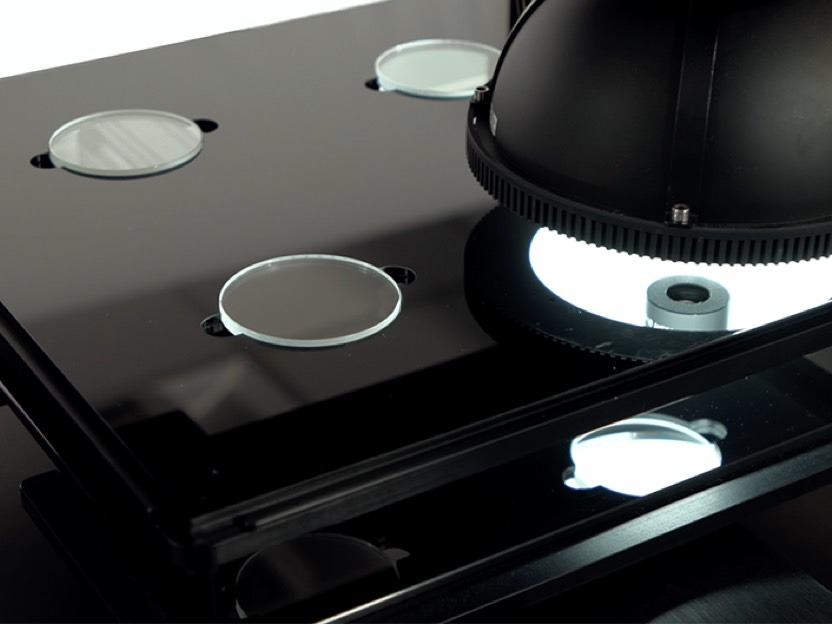
OptiLux SD is RedLux’s comprehensive and powerful solution for controlled inspection of flat optical surfaces.
OptiLux SD’s patented inspection technology supports both visual and dimensional inspection standards, delivering repeatability, reproducibility and throughput performance that finally allows you to build confidence in your inspection process and product quality.
Read more about optilux SD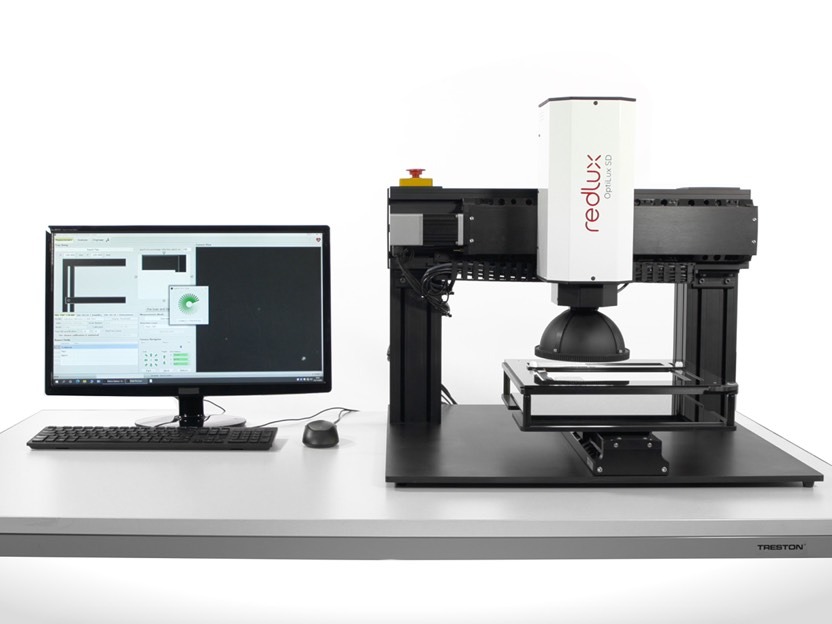

RedLux’s scratch-dig comparison reference sets have been developed to provide the optics industry with a consistent and reliable source of scratch and dig visual comparison targets for grading surface imperfections.
Find out more
In 2016 leading UK Optical component manufacturer, Crystran, made a decision to bolster their quality control capability by investing in OptiLux SD. Managing Director Mark Middleton provides you with his feedback.
Read case studyWe’re helping organisations all over the world reap the benefits of world-leading metrology. Speak to our experts.
Get in touch